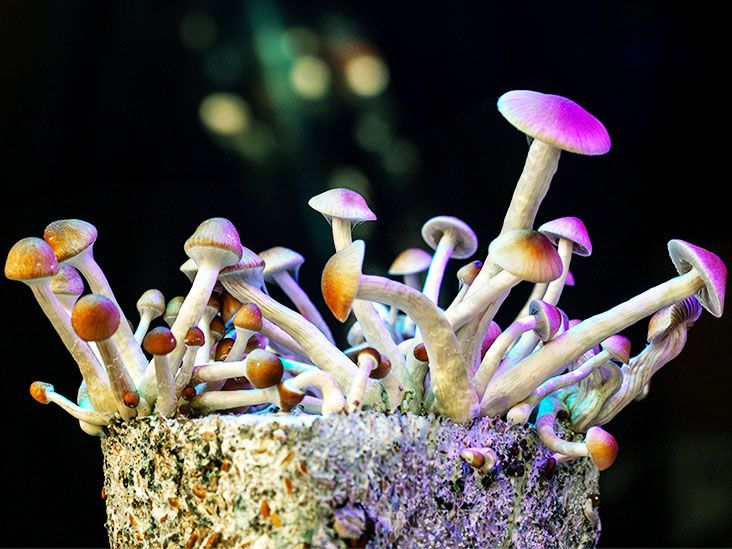
For decades, magic mushrooms have been associated with altered states of consciousness, spiritual experiences, and more recently, promising treatments for depression, anxiety, and addiction. Now a growing body of laboratory research is raising a far more unexpected possibility: that psilocybin, the primary psychoactive compound in these fungi, might influence the fundamental processes of biological aging itself.
A 2025 study published in the journal npj Aging has become the centerpiece of this discussion. Researchers demonstrated that psilocin—the active metabolite the body produces after consuming psilocybin—can significantly extend the lifespan of human cells in culture and improve survival rates in aged mice. The findings mark the first direct experimental evidence that this psychedelic compound may act as a geroprotective agent, affecting multiple hallmarks of aging even when treatment begins relatively late in life.
Cellular Evidence of Delayed Aging
In the laboratory portion of the study, scientists exposed human fetal lung fibroblasts to continuous doses of psilocin. At a concentration of 10 micromolar, the treated cells lived 29 percent longer before reaching replicative senescence—the point at which cells permanently stop dividing. When the dose was increased to 100 micromolar, the extension rose to 57 percent. Parallel experiments using adult human skin fibroblasts produced a 51 percent increase in cellular lifespan at the higher dose.
Beyond simple longevity, the treated cells showed clearer signs of healthier aging. Markers of cellular senescence declined. Oxidative stress levels dropped. DNA damage indicators fell. Most notably, telomere length was better preserved. Telomeres are the protective caps at the ends of chromosomes that shorten with each cell division; their gradual erosion is one of the classic hallmarks of aging. The researchers also observed increased expression of SIRT1, a protein closely linked to stress resistance and longevity pathways, alongside reduced levels of proteins associated with DNA damage responses.
Importantly, the cells eventually did reach senescence. There was no evidence that the treatment caused uncontrolled growth or oncogenic transformation. The results suggested a genuine delay in the aging process rather than a simple bypass of normal cellular checkpoints.
From Cells to Living Animals
The same research team then tested whether these cellular benefits would translate to whole organisms. They administered psilocybin monthly to 19-month-old female mice—roughly equivalent to 60 to 65 years of age in humans—for a period of ten months. At the conclusion of the study, 80 percent of the treated mice remained alive compared with only 50 percent of the untreated control group. The difference was statistically significant.
The treated animals also appeared healthier in visible ways. Researchers noted improvements in overall fur quality, including reduced graying and better coat condition. Body weight changes did not differ meaningfully between the groups, suggesting the survival benefit was not simply the result of altered feeding behavior.
These results are striking because the intervention began late in the animals’ lives. Many experimental anti-aging compounds show the strongest effects only when given from early adulthood. The fact that benefits appeared even in older mice has fueled interest in the potential relevance for human aging.
Additional Clues from Skin and Brain Research
The original study is not the only recent work exploring psilocybin’s effects outside the brain. In July 2026, a separate investigation published in Biochemistry and Cell Biology examined whether the compound could protect skin cells from premature aging driven by metabolic stress. Researchers exposed human skin fibroblasts to high levels of glucose and fat—conditions that mimic the cellular damage associated with poor diet. Psilocybin treatment, both during and after the stress, helped preserve cell viability, reduced activity of a key senescence enzyme, lowered inflammatory gene expression, and supported elastin production. While still limited to laboratory cells, the findings add another piece to the emerging picture of systemic protective effects.
On the neurological side, researchers are beginning to test whether psilocybin can support healthy brain aging in people. The PLASTICITY trial at the University of California, Berkeley, is currently recruiting cognitively healthy adults between the ages of 60 and 85. Participants receive carefully controlled doses of synthetic psilocybin and undergo brain imaging and cognitive testing before and after the experience. The goal is to determine whether the compound can enhance neuroplasticity, improve emotional regulation, and counteract some of the structural and functional changes that typically accompany aging. Earlier imaging studies in younger adults have already shown that a single dose can produce measurable changes in brain connectivity and neural tract integrity that persist for weeks—changes that run in the opposite direction of typical age-related decline.
Why Caution Is Essential
Despite the encouraging data, significant limitations remain. The core lifespan findings come from cell cultures and a single mouse experiment. Results in mice frequently fail to translate to humans. The animal study used relatively high monthly doses, relied on a forced endpoint once half the control group had died, and involved only female mice. Critics have pointed out that the design does not fully establish whether maximum lifespan was extended or simply whether fewer animals died during the observation window. Questions also remain about food intake, which can independently influence longevity, and about the long-term safety of repeated high-dose exposure.
Psilocybin is still classified as a controlled substance in most countries, including India. There is limited data on the effects of chronic or repeated dosing in older adults. Potential risks include psychological distress, interactions with other medications, and unknown consequences of delayed cellular senescence for cancer risk. Researchers involved in the original work have themselves emphasized that optimal dosing protocols, timing of intervention, and long-term safety profiles are not yet known.
Media coverage has sometimes outpaced the evidence. Headlines suggesting that magic mushrooms are an imminent anti-aging drug overstate what the science currently supports. The more accurate interpretation is that psilocybin appears to influence several fundamental aging processes in laboratory settings and deserves serious further investigation.
A New Frontier, Not a Ready Treatment
The broader context matters. Psilocybin already has substantial clinical evidence supporting its use for certain mental health conditions when administered in controlled therapeutic settings. The possibility that the same compound may also affect oxidative stress, telomere maintenance, cellular senescence, and systemic inflammation opens an intriguing new research direction. Aging is a complex, multi-system process. Any compound that can meaningfully slow several of its hallmarks simultaneously would be of major scientific interest.
Yet translating these findings into a practical therapy will require years of careful work. Dose-finding studies, larger animal trials across both sexes, mechanistic research into serotonin-dependent and independent pathways, and eventually well-designed human trials focused on biological aging markers will all be necessary. Until that evidence exists, psilocybin should not be viewed as an anti-aging medication.
What the recent studies do provide is a compelling reason to look more closely. A substance long known for its ability to temporarily alter consciousness may also interact with some of the deepest biological mechanisms that determine how we age. Whether those interactions can one day be harnessed safely and effectively remains an open and important question. For now, the science is early, the promise is real, and the need for rigorous follow-up is clear.
About The Author




Leave a Reply