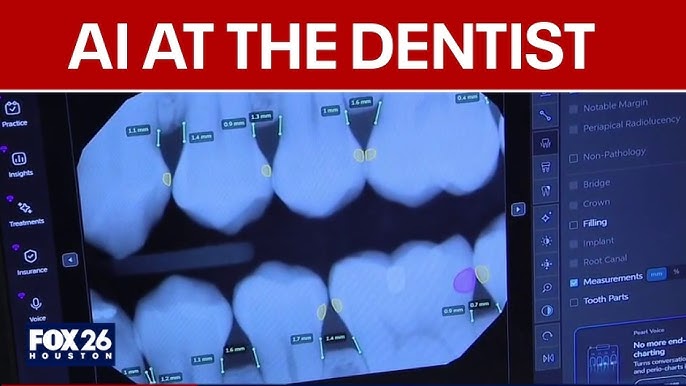
Artificial intelligence is reshaping dentistry in ways that feel both subtle and profound. What once depended almost entirely on a dentist’s experience, visual inspection, and physical impressions is now supported by algorithms capable of spotting microscopic decay, designing highly personalized smiles, and allowing patients to preview results before treatment even begins. The technology does not replace clinical judgment. Instead, it amplifies it, making care more precise, efficient, and collaborative.
Across clinics worldwide, AI platforms are moving from experimental tools to everyday practice. They analyze X-rays with consistency no human can match, generate digital smile simulations in minutes, and monitor orthodontic progress through smartphone photos. The result is earlier intervention, more predictable cosmetic outcomes, and a patient experience that feels more transparent and engaging than traditional dentistry has typically offered.
Catching Problems Earlier Than Ever Before
One of the strongest contributions of AI lies in diagnostic imaging. Modern systems trained on millions of dental radiographs can detect tiny cavities, early periodontal bone loss, and other abnormalities that even experienced clinicians might overlook during a routine examination. These tools function as a reliable second set of eyes, highlighting subtle areas of concern on digital X-rays and flagging them for the dentist’s review.
Large-scale analyses have revealed that untreated decay is significantly more common than conventional visual surveys suggest. By identifying problems at an earlier stage, AI supports less invasive treatments and helps preserve more natural tooth structure. Patients who once might have needed root canals or extensive restorations can now often be treated with smaller fillings or preventive measures. The technology also bridges cosmetic and general health concerns, as oral findings sometimes point to broader systemic issues.
Dentists who use these platforms describe the experience as consulting the collective insight of millions of previous cases. The systems do not make the final diagnosis. That responsibility remains with the clinician. What they provide is speed, consistency, and a reduced risk of missed findings, particularly in high-volume practices where time pressures can affect thoroughness.
Designing Smiles with Precision and Personalization
Cosmetic dentistry has undergone one of the most visible transformations. Digital smile design platforms powered by AI analyze a patient’s facial features, lip dynamics, tooth proportions, and overall facial harmony from photographs or intraoral scans. Within minutes, the software can generate realistic simulations of whitening, lengthening, straightening, or complete smile makeovers.
Patients no longer have to rely solely on verbal descriptions or static before-and-after photos of other people. They can see a version of their own face with the proposed changes applied. This visual preview improves communication between dentist and patient, supports informed consent, and frequently increases treatment acceptance. Studies comparing AI-generated designs with those created by experienced clinicians have found that patients often prefer the AI versions, while the design process itself requires substantially less time.
Some platforms go further by producing dynamic video simulations that show how the new smile moves with speech and expression. Others integrate facial analysis with three-dimensional scans and cone-beam imaging to ensure the proposed design remains biologically realistic. The technology can adjust tooth shape, proportion, shade, and alignment while respecting the patient’s unique anatomy. What once involved artistic guesswork and multiple temporary mock-ups can now begin with a data-driven digital prototype.
This capability has particular value in complex cases involving veneers, crowns, or full-mouth rehabilitation. Clinicians can test different aesthetic options digitally, refine them based on patient feedback, and then translate the approved design into physical restorations with greater accuracy.
Smarter Orthodontics and Continuous Monitoring
Orthodontics has also benefited significantly. AI systems help generate predictive treatment plans for clear aligners and braces by analyzing tooth positions, root structures, and facial balance. Some platforms create a digital twin of the patient’s dentition, allowing clinicians to simulate tooth movement across the entire treatment timeline before any appliances are placed. Patients can see projected results at different stages, which improves understanding and motivation.
Remote monitoring has become another practical application. Patients using clear aligners can capture weekly smartphone scans of their teeth. AI evaluates the images, determines whether the teeth are tracking according to plan, and alerts both the patient and the dental team if adjustments are needed. This reduces the frequency of routine office visits while maintaining close oversight of progress. For many patients, the combination of fewer appointments and clearer visibility into their treatment creates a more convenient experience without sacrificing quality.
Predictive modeling also helps identify cases that may require longer treatment times or additional interventions, allowing clinicians to set realistic expectations from the start.
Accelerating Treatment Timelines
Digital workflows supported by AI have compressed timelines for extensive smile makeovers. Full-arch restorations that once required multiple weeks of laboratory work and repeated appointments can now be completed more rapidly in practices equipped with intraoral scanners, AI-assisted design software, and in-house CAD/CAM systems. Some clinics specializing in cosmetic cases routinely deliver comprehensive “Hollywood smile” treatments within a matter of days for suitable patients.
The process typically begins with high-resolution photographs and scans. AI helps refine the design, and digital fabrication produces precise restorations on site. The reduction in turnaround time does not come at the expense of quality when the technology is properly integrated. Instead, it removes many of the delays associated with physical impressions and external laboratory communication.
Benefits, Limitations, and the Human Element
Patients stand to gain from earlier detection, clearer visualization of outcomes, more personalized aesthetics, and greater convenience. Treatment plans become more collaborative because patients can actively participate in evaluating digital previews. Efficiency gains also free clinicians to spend more time on complex decision-making and patient communication rather than repetitive technical tasks.
Yet important limitations remain. AI systems are only as reliable as the data on which they are trained. Complex biological variables, growth patterns, soft-tissue responses, and individual healing characteristics still require experienced clinical judgment. Technology can flag a problem or generate a simulation; it cannot fully interpret why a particular case may succeed or fail. Dentists remain responsible for diagnosis, treatment recommendations, and final outcomes.
Adoption continues to grow. Recent surveys indicate that a substantial percentage of dentists already use AI for imaging analysis, documentation, or other practice tasks, with many more planning to expand its role. As the technology matures, standardization, clinical validation, and ethical considerations around data privacy will remain important areas of focus.
The trajectory of AI in dentistry points toward greater integration across diagnosis, planning, fabrication, and follow-up care. Generative models are already assisting with crown design, tooth alignment simulations, and educational content. Home monitoring tools are likely to expand, potentially reducing the need for some routine visits while enabling continuous oversight. Advances in three-dimensional imaging and on-site manufacturing will further tighten the link between digital planning and physical results.
What matters most is that these tools serve the fundamental goals of dentistry: preserving oral health, restoring function, and creating smiles that look natural and feel authentic to each individual. AI is not inventing a new standard of beauty. It is helping clinicians achieve established aesthetic and clinical objectives with greater consistency, speed, and patient involvement.
In the end, the transformation is practical. Patients leave with healthier teeth, clearer understanding of their treatment, and results that more closely match their expectations. Dentists gain powerful support for the most demanding aspects of diagnosis and design. The smile itself remains the focus. The technology simply makes the path to achieving it more precise and more collaborative than it has ever been.
About The Author






Leave a Reply