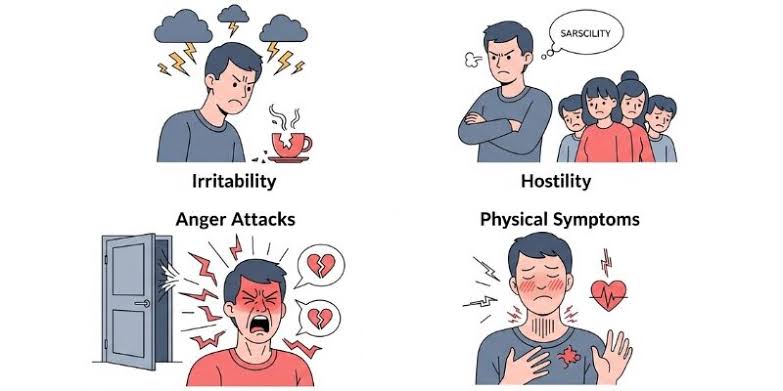
When society pictures depression, it almost universally envisions a quiet, slumped figure wrapped in a blanket, weeping in a dark room, or staring vacantly out a rain-slicked window. Pop culture, medical literature, and public awareness campaigns have long framed major depressive disorder through the lens of grief, lethargy, despair, and emotional numbness.
Yet for millions of people living with depression, the daily reality feels entirely different. Instead of tears, there is a simmering rage. Instead of apathy, there is a short fuse waiting to detonate at the smallest inconvenience.
Irritability and anger are among the most prevalent, disruptive, and frequently misdiagnosed symptoms of depressive disorders. Because hostile outbursts contrast so sharply with the passive stereotype of the condition, both patients and medical professionals frequently mistake depressive rage for a personality trait, a character flaw, an anger management problem, or a stress-induced temperament. Understanding the deep neurobiological and psychological tether between depression and anger is crucial to breaking the stigma and getting effective support.
The Hidden Prevalence of Depressive Rage
While grief and loss of interest remain the formal Diagnostic and Statistical Manual of Mental Disorders (DSM-5) criteria for diagnosing major depression in adults, irritability is explicitly recognized as a primary diagnostic criterion in children and adolescents. However, growing clinical research demonstrates that adults experience this symptom at astonishingly high rates as well.
Studies show that over half of individuals diagnosed with major depressive disorder experience prominent irritable mood or angry outbursts. When anger is present alongside depression, it often correlates with greater illness severity, longer duration of depressive episodes, higher rates of comorbid anxiety disorders, and heightened impairment in social and occupational functioning.
Despite its frequency, “irritable depression” often goes unnoticed because our collective language surrounding mental health forces anger and sadness into separate, mutually exclusive categories. We tend to view sadness as an internal collapse and anger as an external attack. In truth, they are often two sides of the very same emotional coin.
Why Depression Turns Outward: The Psychological and Biological Drivers
Understanding why depression presents as rage requires examining how the human mind and brain adapt to chronic psychological pain.
1. Anger as an Emotional Shield
Sadness, despair, and feelings of worthlessness leave a person feeling acutely vulnerable, exposed, and helpless. Anger, by contrast, provides a temporary surge of energy, agency, and power. Transforming painful internal feelings of hopelessness into external frustration acts as a subconscious defense mechanism. It is far easier to feel powerful and angry at the world than to sit with the crushing realization of feeling inadequate or broken.
2. Cognitive Bandwidth and Depleted Frustration Tolerance
Depression is an exhausting condition that taxes executive brain functions, including emotional regulation, impulse control, and stress processing. When an individual’s cognitive reserves are drained by constant internal emotional distress, their buffer against daily stressors disappears entirely. Minor everyday inconveniences—a slow internet connection, a dropped utensil, or a traffic delay—no longer feel minor. Without the cognitive bandwidth required to process light frustration, the brain skips straight to a maximum threat response.
3. Inward Guilt Reflected Outward
Core features of depressive thinking include harsh self-criticism, pervasive guilt, and intense feelings of inadequacy. When an individual constantly battles an aggressive internal narrator that whispers “you are failing” or “you aren’t good enough,” their psychological skin becomes remarkably thin. Any external critique, perceived slight, or minor pushback from loved ones validates their deepest fears, triggering a defensive, angry reaction to push the pain away.
4. Sociocultural Conditioning and Gender Expectations
Gender roles play a massive role in how depressive symptoms manifest. In many cultures, men are socialized from an early age to suppress vulnerable emotions like sadness, fear, or insecurity, while anger is normalized as an acceptable expression of distress. As a result, men experiencing depression are substantially more likely to report symptoms of irritability, risk-taking, hostility, and substance use rather than crying spells or outward sadness.
The Many Faces of Depressive Hostility
Anger stemming from depression does not always look like screaming or throwing objects. It manifests along a broad spectrum of behaviors:
- Overt Explosiveness: Sudden, explosive outbursts that are wildly disproportionate to the triggering event. This includes snapping at coworkers, screaming at family members, slamming doors, or intense road rage.
- Passive-Aggressive Withdrawal: Coldness, sullen silence, deep cynicism, heavy sarcasm, and deliberate stubbornness. The person creates emotional distance to avoid confronting their underlying distress.
- Internalized Self-Directed Rage: Anger directed entirely inward through harsh self-talk, deliberate self-sabotage, or self-harming behaviors.
- Chronic Low-Grade Irritability: A persistent feeling of being constantly “on edge,” physically tense, bothered by ambient noise, and irritated by the simple presence of other people.
The Relational Toll of Irritable Depression
The primary tragedy of anger-predominant depression is the isolation it breeds. When a person displays classic sad symptoms, loved ones typically respond with sympathy, comfort, and support. However, when depression manifests as hostility, criticism, and emotional volatility, it drives people away.
Friends, partners, and family members often retreat to protect themselves from outbursts, leaving the depressed individual further isolated. This isolation confirms the depressed person’s worst fear—that they are unlovable or fundamentally flawed—which deepens the depressive cycle and fuels further anger.
Reclaiming Calm: Path to Healing
Recognizing that chronic anger and irritability may be symptoms of an underlying mood disorder rather than an innate character flaw is the vital first step toward recovery. Treating depressive anger requires a combined approach targeting both mood regulation and emotional processing:
- Comprehensive Assessment: Working with a mental health professional helps differentiate whether irritability stems from major depression, an anxiety disorder, post-traumatic stress, or bipolar mania.
- Cognitive Behavioral Therapy (CBT): CBT assists individuals in identifying the underlying automatic thoughts—such as feeling unappreciated, helpless, or defective—that turn into angry outbursts, providing tangible tools to reframe these thoughts before they boil over.
- Somatic and Nervous System Regulation: Incorporating grounding techniques, regular physical activity, and mindfulness practices helps lower the body’s baseline baseline fight-or-flight activation, rebuilding emotional frustration tolerance.
- Targeted Medical Treatment: When appropriate, evidence-based medication prescribed by a healthcare provider can help balance neurotransmitters, lifting the baseline depressive state and significantly softening irritability.
Anger is not always an indicator of a toxic personality; often, it is simply a distress beacon sending a signal from a deep reservoir of unaddressed pain. By broadening our definition of depression to include its fiery side, we open the door to deeper self-compassion, stronger relationships, and far more accurate, life-changing care.
About The Author






Leave a Reply