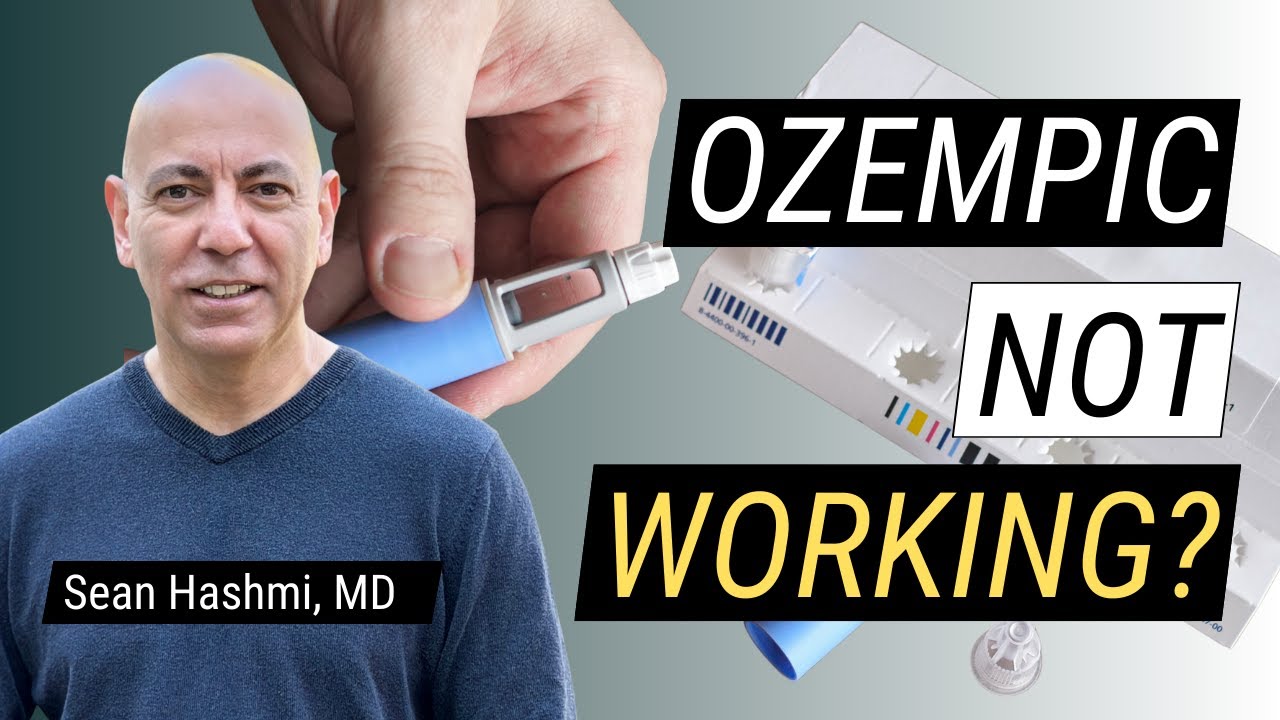
Over the past few years, glucagon-like peptide-1 (GLP-1) receptor agonists such as Ozempic and Wegovy have achieved unprecedented acclaim. Hailed as breakthrough medications for type 2 diabetes and chronic weight management, these drugs mimic natural hormones to regulate blood sugar, slow gastric emptying, and signal fullness to the brain. For millions, they quiet the relentless “food noise” that makes dieting feel like an exhausting psychological battle.
However, headlines celebrating dramatic transformations can create unrealistic expectations. A subset of patients encounter a frustrating reality: weeks or months into treatment, the scale refuses to budge. If you find yourself asking, “Why am I not losing weight on Ozempic?” know that you are far from alone. Weight loss stalls and non-responsiveness are complex phenomena driven by a combination of pharmacological, physiological, and behavioral factors.
1. Your Dosage Is Still in the Titration Phase
One of the most common reasons patients fail to see results early on is that they haven’t yet reached a therapeutic dose. Ozempic and other semaglutide formulations follow a strict titration schedule. Treatment typically begins at a low initiation dose—usually 0.25 mg once weekly—designed solely to prime the gastrointestinal system and minimize severe side effects like nausea, vomiting, and severe constipation.
At these lower starting levels, the concentration of the medication in your bloodstream may be insufficient to trigger robust appetite suppression or metabolic shifts. Physicians gradually increase the dose over several months, moving to 0.5 mg, 1.0 mg, and potentially higher, depending on the specific medication and formulation. If you are still in your first month or two at a starting dose, your body may simply require more time and higher concentrations to experience the full therapeutic effect.
2. Hitting a Biological “Weight Loss Plateau”
Even when a medication is working effectively, human biology is engineered to resist continuous weight loss. When you drop significant body mass, your body undergoes profound metabolic adaptations:
- Reduced Basal Metabolic Rate (BMR): A smaller body requires fewer calories to function at rest. As you lose weight, your daily energy expenditure naturally declines.
- Adaptive Thermogenesis: The body perceives rapid weight loss as a potential survival threat (famine) and downregulates energy expenditure, making every remaining calorie count even more efficiently.
- Hormonal Shifts: Levels of hunger-stimulating hormones like ghrelin can rebound, attempting to drive you to restore your previous energy stores.
Consequently, hitting a plateau after an initial period of rapid weight loss is a normal physiological milestone rather than a personal failure.
3. Overreliance on Medication Without Complementary Habits
While GLP-1s are remarkably powerful pharmacological tools, they are not magic bullets. They alter hunger signaling and satiety, but they do not actively burn fat or override poor nutritional choices. Weight loss ultimately depends on maintaining a sustainable energy deficit.
- Dietary Quality and Portion Creep: Because Ozempic slows gastric emptying, you feel full faster and stay full longer. However, it is entirely possible to consume an excess of calories by eating energy-dense, highly processed foods, sugary beverages, or calorie-rich oils, even in smaller meal portions. “Hidden” liquid calories in specialty coffees, juices, and alcohol can easily erase a caloric deficit.
- Inadequate Protein Intake: When dropping weight rapidly without sufficient dietary protein, a significant portion of the lost mass can come from lean muscle tissue rather than adipose (fat) tissue. Muscle is metabolically active tissue; losing it lowers your overall resting metabolic rate, making future weight loss progressively harder.
- Sedentary Lifestyle: Relying solely on medication without incorporating physical activity limits your total daily energy expenditure. Furthermore, physical inactivity fails to challenge your musculoskeletal system, leading to further muscle degradation.
4. Underlying Metabolic, Genetic, and Medical Factors
Human physiology is exceptionally diverse. Factors independent of your willpower or dosing schedule can influence how your body responds to semaglutide:
- Genetics: Genetic variations in GLP-1 receptors and neural pathways regulating reward and satiety mean that some individuals are non-responders or low-responders to the drug class.
- Underlying Health Conditions: Insulin resistance, untreated hypothyroidism, polycystic ovary syndrome (PCOS), Cushing’s syndrome, and other endocrine disorders can severely hinder weight loss efforts.
- Concurrent Medications: Certain prescription drugs—including specific antidepressants, antipsychotics, corticosteroids, beta-blockers, and insulin—are well-documented contributors to weight gain or metabolic stagnation.
Key Takeaway: A stalled scale on Ozempic is rarely the result of a single cause. It requires a comprehensive clinical evaluation to determine whether your dose, nutrition, movement, or underlying health needs adjustment.
5. Actionable Steps to Overcome an Ozempic Stall
If your weight loss has plateaued or never truly started, there are several evidence-based strategies you and your healthcare provider can explore:
- Consult Your Prescribing Physician: Never adjust your dosage independently. Schedule a comprehensive review with your doctor or an obesity medicine specialist. They can evaluate whether stepping up your dose is clinically appropriate or if transitioning to a different GLP-1 formulation (such as tirzepatide) or alternative therapy is warranted.
- Audit Your Intake and Habits: Subtle “portion creep” or unconscious snacking can easily derail a weight loss plan. For a brief period of two weeks, meticulously track your food intake using a digital scale or tracking app to gain an accurate, objective view of your caloric and macronutrient consumption.
- Prioritize Protein and Resistance Training: Shift your nutritional focus toward high-quality, lean proteins to protect muscle mass. Concurrently, incorporate progressive resistance training (weightlifting, bodyweight exercises, or resistance bands) at least two to three times per week. Building or preserving muscle revives your metabolic engine.
- Manage Stress and Sleep: Chronic psychological stress elevates cortisol, a hormone that promotes abdominal fat storage and increases cravings for high-calorie comfort foods. Similarly, chronic sleep deprivation disrupts ghrelin and leptin balance, directly undermining your body’s metabolic recovery.
Experiencing a weight loss stall on Ozempic can feel discouraging, but it represents a common obstacle rather than a dead end. By carefully examining your dosing schedule, evaluating your nutritional and activity habits, and partnering closely with a qualified medical professional, you can identify the root causes of the stall and realign your weight management journey toward sustainable success.
About The Author






Leave a Reply