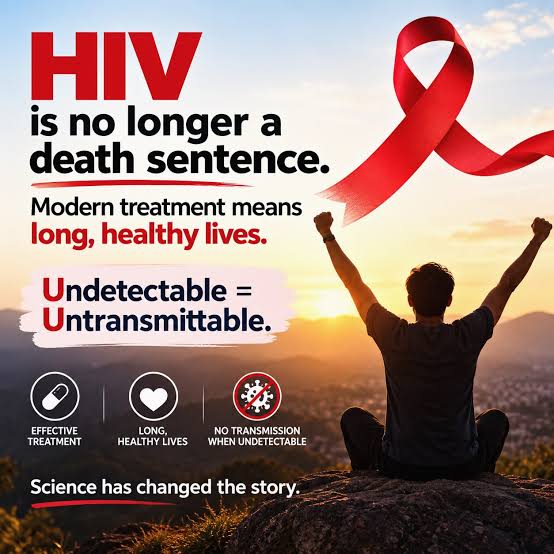
In the early 1980s, receiving a diagnosis of Human Immunodeficiency Virus (HIV) was universally recognized as an inescapable death sentence. Wards in major metropolitan hospitals were filled with young, previously healthy individuals wasting away from rare opportunistic infections, aggressive cancers like Kaposi sarcoma, and catastrophic immune collapse. Fear, stigma, and profound medical helplessness defined the era. An HIV diagnosis typically signaled a rapid descent into Acquired Immunodeficiency Syndrome (AIDS), leaving patients with an estimated life expectancy measured not in decades, but in months or a handful of brutal years.
Four decades later, that grim reality has been fundamentally rewritten. Thanks to relentless scientific research, public health advocacy, and radical breakthroughs in pharmacology, HIV is no longer a terminal illness. Today, it is clinically managed as a manageable, chronic health condition. A young person diagnosed with HIV today who begins treatment promptly and adheres to care can expect to live a near-normal lifespan—working, building families, and growing old alongside their peers.
The Catalyst of Change: The Antiretroviral Revolution
The turning point in the epidemic occurred in the mid-1990s. Prior to this, treatments like AZT (zidovudine)—approved in 1987—were prescribed as monotherapies. While AZT provided a temporary reprieve, the virus rapidly mutated, developed resistance, and overwhelmed the host’s immune system once again.
The breakthrough arrived in 1996 with the advent of Highly Active Antiretroviral Therapy (HAART), now referred to broadly as Antiretroviral Therapy (ART). HAART introduced a multi-drug cocktail approach that attacked the virus at different stages of its replication cycle:
- Reverse transcriptase inhibitors prevented viral RNA from converting into DNA.
- Protease inhibitors blocked the molecular scissors required to assemble infectious viral particles.
- Later, integrase strand transfer inhibitors (INSTIs) stopped HIV from inserting its genetic material into human CD4 helper T-cell DNA.
By targeting multiple mechanisms simultaneously, ART prevented HIV from copying itself and drastically minimized the odds of the virus mutating around the medication. Almost overnight, mortality rates in developed nations plummeted. Hospital wards once filled with terminally ill patients emptied as individuals regained their strength, rebuilt their CD4 counts, and reclaimed their futures.
The Modern Regimen: From Handfuls of Pills to Single-Tablet Dosing
The initial era of ART, while life-saving, was grueling. Patients were burdened with taking dozens of pills throughout the day and night, timed strictly around complex dietary requirements, while enduring severe side effects like nausea, severe peripheral neuropathy, body fat redistribution (lipodystrophy), and organ toxicity.
Today, pharmacologic engineering has transformed treatment adherence:
- Single-Tablet Regimens (STRs): Most individuals can suppress HIV using a single tablet taken once daily, combining two or three potent antiretroviral agents with minimal toxicity and high genetic barriers to resistance.
- Long-Acting Injectables: Recent innovations have introduced monthly or bi-monthly intramuscular injections (such as cabotegravir and rilpivirine), freeing patients from the daily cognitive burden and privacy concerns of carrying pill bottles.
- Fewer Side Effects: Modern drugs are engineered for high tolerability and minimal long-term metabolic disruption, allowing individuals to incorporate medication into their daily routines with little disruption to everyday life.
U=U: The Paradigm Shift in Prevention and Stigma
Perhaps the most monumental milestone in modern HIV science—both biologically and socially—is the principle of Undetectable = Untransmittable (U=U).
Rigorous, landmark clinical trials (including the HPTN 052, PARTNER 1, and PARTNER 2 studies) followed thousands of mixed-status couples (serodiscordant couples, where one partner is HIV-positive and the other HIV-negative) over years and across tens of thousands of acts of condomless sex. The results were absolute: when an individual living with HIV maintains an undetectable viral load through ART, there is zero risk of sexually transmitting the virus to an HIV-negative partner.
An “undetectable” viral load means the quantity of HIV copies per milliliter of blood is so low that standard laboratory tests cannot register it (typically fewer than 50 copies/mL). The impact of U=U cannot be overstated:
- It has dismantled the agonizing fear of accidental transmission within intimate relationships.
- It enables serodiscordant couples to conceive children naturally without assisted reproductive technologies or fear of transmission to the child.
- It directly assaults the pervasive social stigma and criminalization statutes that have long marginalized people living with HIV.
Shifting Focus: From Viral Suppression to Healthy Aging
Because modern medicine has effectively neutralized the lethality of the virus itself, the clinical focus of HIV care has shifted from acute survival to long-term wellness and healthy aging. The median age of people living with HIV in high-income regions now surpasses 50, presenting new, ordinary healthcare questions.
Managing HIV today mirrors the management of diabetes, hypertension, or hyperlipidemia:
- Cardiovascular and Metabolic Health: Chronic low-level immune activation can contribute to elevated cardiovascular risk, making cholesterol management, blood pressure control, and smoking cessation core pillars of contemporary HIV care.
- Bone and Kidney Health: Clinicians monitor renal function and bone mineral density, tailoring antiretroviral choices to protect against long-term osteopenia or nephropathy.
- Routine Primary Care: People on stable ART undergo standard preventive screenings—colonoscopies, mammograms, vaccine schedules, and mental health checkups—just like anyone else.
In fact, because individuals on ART maintain regular engagement with medical providers—frequently undergoing comprehensive blood work and checkups every six months—many address chronic health conditions earlier and more systematically than individuals without HIV.
The Remaining Frontiers
Despite the triumph of medical science, significant challenges remain before the world can celebrate a total victory over HIV:
- Global Equity and Access: While treatment transforms lives, millions of people worldwide—especially in low- and middle-income nations—still face systemic barriers to reliable, uninterrupted access to viral load monitoring and second-line therapies.
- Late Diagnosis: Treatment can only preserve immune function if initiated early. Across the globe, thousands of people discover their status only after suffering advanced opportunistic illness because of a lack of routine testing.
- Social and Cultural Stigma: Even with the scientific validation of U=U, antiquated misinformation and discrimination persist in housing, employment, and personal relationships, causing many to avoid testing or drop out of care.
- The Search for a Cure: While ART keeps HIV dormant inside latent viral reservoirs, it does not eradicate the proviral DNA entirely from resting CD4 memory cells. Research into gene editing (such as CRISPR-Cas9), therapeutic vaccines, and “shock-and-kill” reservoir depletion strategies continues in the pursuit of a permanent, functional cure.
The trajectory of HIV over the last forty years represents one of the crowning achievements of modern medicine. What began as an untreatable, lethal pandemic that swept across continents with devastating finality has been tamed into a controllable condition that can be managed with a single daily pill or an occasional injection.
By replacing dread with data and stigma with therapeutic efficacy, science has fundamentally transformed what an HIV diagnosis means. For anyone navigating an HIV diagnosis today, the narrative is no longer about preparing for an untimely end, but about embracing a full, vibrant, and long life.
About The Author