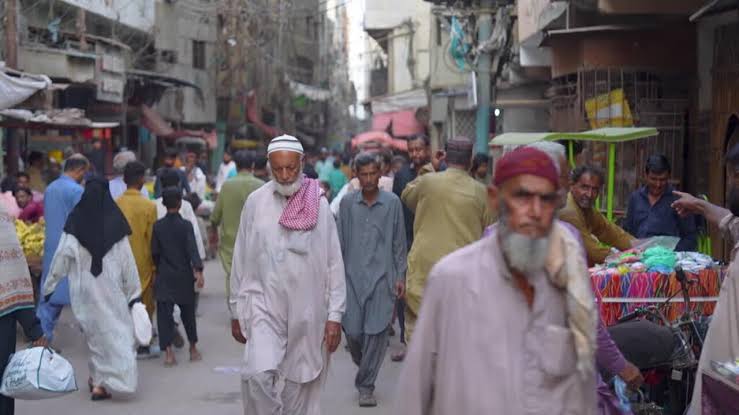
Karachi, the bustling commercial heartbeat of Pakistan and home to over 20 million residents, is a metropolis that never sleeps. Perched along the Arabian Sea, it generates a significant portion of the country’s tax revenues and handles the bulk of its international maritime trade. It is a magnet for ambitious migrants from every corner of the nation—a melting pot of languages, ethnicities, and cultures striving for economic survival and upward mobility. Yet beneath its relentless energy and entrepreneurial spirit lies an everyday reality of acute urban breakdown. Ranked repeatedly near the bottom of global livability indices, Karachi forces its citizens to navigate a persistent triad of urban decay: stifling pollution, crippling utility shortages, and an ever-present atmosphere of street crime.
A Choked Environment: The Air, Land, and Sea
Waking up in Karachi often begins not with the fresh sea breeze one might expect from a coastal port, but with a stinging haze. Air quality in the city routinely plummets into the “unhealthy” and “hazardous” categories. Millions of aging vehicles—battered minibuses, smoke-spewing two-stroke rickshaws, and overloaded diesel trucks—clog unpaved, potholed arteries, pouring toxic particulate matter and carbon monoxide into the atmosphere. Unregulated industrial zones in Korangi, SITE, and Landhi burn furnace oil, coal, and industrial scraps, worsening a persistent layer of smog that blankets entire neighborhoods.
On the ground, waste management remains heavily overwhelmed. Karachi produces thousands of tons of municipal solid waste daily, a substantial portion of which goes uncollected by formal municipal services. Neighborhood corners frequently become spontaneous landfills. Residents often resort to setting municipal trash ablaze to manage mounting rubbish, sending plumes of acrid plastic smoke into the evening air.
Even the Arabian Sea provides little respite. Hundreds of millions of gallons of untreated industrial effluents and raw domestic sewage pour daily through the Lyari and Malir rivers directly into the harbor. The once-thriving mangrove forests that buffer the shoreline from tidal erosion and shelter marine ecosystems are choked with chemical runoff, microplastics, and heavy metal deposits, threatening local fishermen’s livelihoods and contaminating coastal seafood.
The Scramble for Essentials: Water, Power, and Gas
To live in Karachi is to live in a perpetual state of logistical problem-solving. Among all necessities, water scarcity cuts the deepest.
Municipal water pipelines, managed by the Karachi Water and Sewerage Corporation, are plagued by leaks, decrepit infrastructure, and illicit siphoning. Vast swaths of the city, from low-income settlements (katchi abadis) in Orangi Town to middle-class flats in Gulshan-e-Iqbal, receive tap water only once every week, or sometimes not for months. This structural deficit has fueled the rise of the infamous “tanker mafia”—a lucrative cartel that diverts public supply lines into private water hydrants. Households are forced to spend a crippling share of their monthly income purchasing water tankers just to bathe, wash, and flush. For drinking, families must purchase filtered bottles or boil saline groundwater obtained through costly private boreholes.
Electricity is equally volatile. Rolling blackouts, locally termed “load-shedding,” stretch anywhere from six to sixteen hours a day during sweltering summer months. In packed apartment buildings where humidity reaches oppressive levels, power outages transform living rooms into ovens, halting small businesses, water pumps, and students’ studies. Protests flare up regularly: furious citizens block main arteries, burn tires, and chant slogans against power utilities demanding uninterrupted electricity. In winter, when temperatures cool down, electricity deficits are replaced by gas load-shedding, leaving kitchens without sufficient pipeline pressure to cook meals and pushing families toward expensive, unsafe LPG cylinders.
The Shadow of Crime: Life on the Defensive
Alongside environmental degradation and infrastructure collapse, Karachiites carry an invisible psychological burden: the constant fear of street crime.
While the city’s dark eras of full-scale political gang warfare and targeted sectarian assassinations have diminished compared to previous decades, opportunistic street crime has surged. Mobile phone snatching, armed robberies, vehicle thefts, and break-ins occur with alarming regularity in broad daylight. Commuters caught in bumper-to-bumper traffic or pedestrians waiting at bus stops are frequent targets for young, armed men riding motorbikes.
The stakes are tragically high. Bandits often open fire at the slightest hesitation, resistance, or panic from victims. Dozens of civilians lose their lives every year over stolen smartphones and wallets. This climate of impunity has reshaped city behavior:
- Many residents carry “decoy phones”—cheap feature phones handed over without argument during a mugging to safeguard their primary devices.
- Women often avoid wearing visible gold jewelry in markets and tuck handbags securely beneath shawls.
- Private security has become one of the city’s booming industries; residential neighborhoods erect private iron gates across streets, hire armed guards, and install CCTV systems to create improvised gated enclaves.
- A deep mistrust of law enforcement persists, as understaffed and ill-equipped police stations struggle to investigate offences or recover stolen property.
Resilience Amidst State Abdication
What keeps a metropolis of 20 million souls functioning when public institutions routinely falter? The answer lies in Karachi’s extraordinary ethos of self-reliance and civic philanthropy.
Where the state steps back, non-governmental and charitable organizations step forward. The Edhi Foundation, the Saylani Welfare International Trust, and the Chhipa Welfare Association operate some of the world’s largest voluntary ambulance networks, run free community kitchens (dastarkhwans) that feed millions daily, provide vocational training, and offer free mortuary services. Citizens quietly pool neighborhood funds to hire private waste pickers, pave eroded lane surfaces, and install shared community water filtration units.
Karachi’s workforce remains unyielding. Day laborers, software engineers, garment workers, street vendors, and corporate professionals navigate choked roads, breathe thick fumes, and adapt to blackouts with stubborn ingenuity. They harness solar panels, run inverters, and commute across vast distances, determined to carve out livelihoods in the country’s primary economic engine.
The Urgent Need for Reform
Karachi’s current trajectory, however, cannot be sustained by citizen resilience alone. The compounding pressures of rapid rural-to-urban migration, climate-induced monsoon flooding, aging drainage channels, and chronic underinvestment in basic infrastructure are straining the city to its breaking point.
Rescuing Karachi requires decisive governance and structural accountability:
- Devolved Local Governance: Empowering local municipal bodies with genuine fiscal and administrative authority, rather than leaving city management fragmented across overlapping provincial, federal, and military cantonment jurisdictions.
- Modern Public Transit: Completing mass-transit corridors and restoring suburban rail networks to reduce the millions of private motorbikes and cars congesting the streets.
- Equitable Water Distribution: Overhauling municipal supply networks, cracking down on the tanker mafia, and commissioning modern wastewater treatment plants before untreated effluent reaches the sea.
- Community-Oriented Policing: Equipping and reforming the police force with modern forensic tools, better working conditions, and transparent accountability to curb street robberies without extortion.
Karachi is more than just a sprawling megacity; it is the financial backbone of Pakistan. If its residents continue to battle pollution, dry taps, and armed muggers in their daily routines, the costs will not be borne by Karachi alone—they will reverberate across the economic future of the entire nation.
About The Author