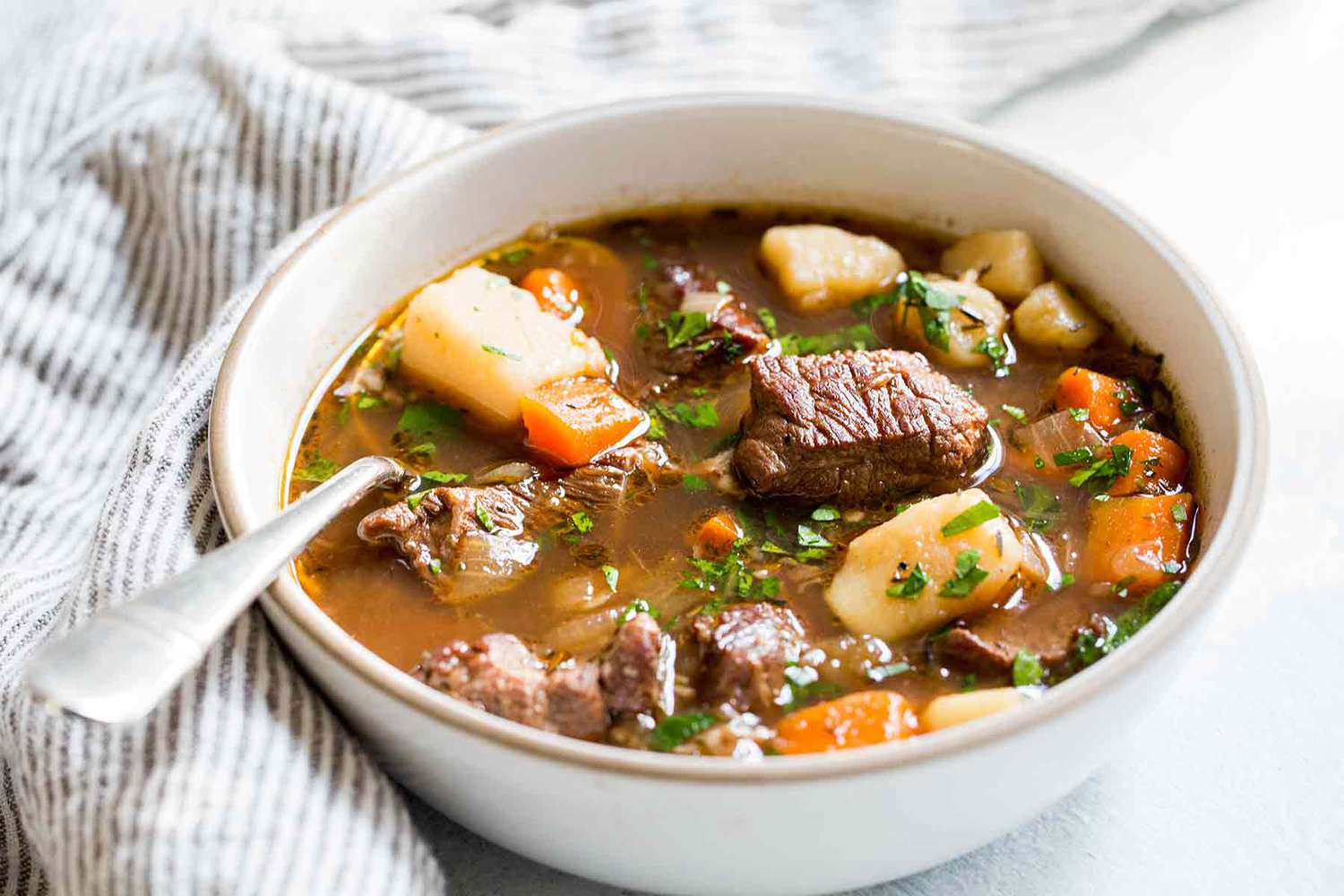
In the linguistic and culinary landscape of mainstream Han Chinese culture, the character ròu (肉), which formally translates to “meat,” by default refers to pork. If a diner asks for meat dumplings, meat buns, or shredded meat noodles without qualification, they will inevitably receive swine. China raises and consumes roughly half the world’s pigs, an ancient agricultural reality driven by the animal’s rapid growth, ease of domestication, and complete integration into the historic agrarian economy.
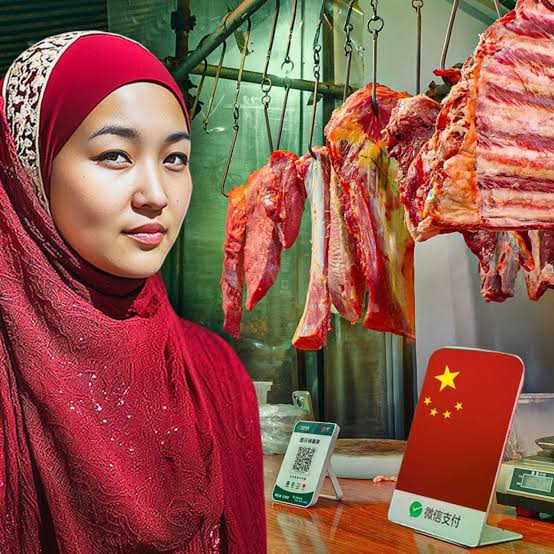
Yet alongside this porcine-centric majority lives a distinct Muslim population exceeding twenty million people. Composed predominantly of the sinicized Hui and the Turkic Uyghurs, alongside smaller groups like Kazakhs, Dongxiangs, and Salars, China’s Islamic communities have spent well over a millennium reconciling an absolute religious dietary taboo with existence inside the global capital of pork consumption. Surviving—and culturally flourishing—in such an environment has required social resilience, sophisticated linguistic navigation, commercial entrepreneurship, and communal solidarity.
The Linguistic Shield: From Zhenzhu to Qingzhen
To avoid contamination in an environment where pork stock, lard, and gelatin infiltrate everything from frying pans to confections, Chinese Muslims long ago developed an unmistakable cultural vocabulary. At the center of this defense is the term Qīngzhēn (清真), which literally translates to “pure and true.”
Coined during the Ming and Qing dynasties by Muslim scholars integrating Islamic theology with Confucian ethics, Qingzhen became the Chinese designation for halal. Today, the character pairing serves as a visual and practical fortress. Walking down any Chinese street, the presence of a green-and-white Qingzhen sign signals a safe sanctuary for Muslim diners.
In everyday speech, Muslims also developed careful euphemisms. In many Hui communities, direct mention of the pig is historically considered distasteful; the animal might instead be referenced as dàchù (大畜, the large livestock) or hēizhōng (the black sort). When dining in mixed settings, a Muslim will clarify dietary restrictions not merely by saying “no pork,” but by firmly stating: “Wǒ chī Qīngzhēn” (“I eat only clean and true”). This phrasing instantly clarifies to Han hosts that cross-contamination—such as a wok scrubbed with pork grease or a shared ladle—is unacceptable.
The Noodle Diaspora: Building Commercial Sanctuaries
Rather than passively retreating from the surrounding food culture, China’s Muslims carved out a nationwide logistical empire to sustain their dietary needs. The most prominent emblem of this commercial survival is the ubiquitous Lanzhou beef noodle shop (Lánzhōu Lāmiàn).
Originating in Gansu province among the Hui, this dish—defined by clear, aromatic broth, hand-pulled wheat noodles, tender beef, radish, and red chili oil—has proliferated into nearly every city and tier of modern China. Tens of thousands of these shops, typically owned by Hui or Salar families from northwestern regions like Qinghai and Gansu, dot the nation from Shanghai’s financial districts to small southern railway stations.
For a Muslim traveler or migrant worker far from home, these noodle shops serve as far more than cheap eateries. They represent dependable nodes of religious infrastructure:
- Assured Purity: The kitchens are guaranteed lard-free, utilizing separate supply chains of beef, mutton, and vegetable oil.
- Prayer Spaces: Many owners set aside small rooms or alcoves upstairs where patrons can perform daily prayers.
- Community Network: They function as local information hubs for new arrivals needing halal butchers, accommodation, or community assistance.
Alongside Hui noodles, Uyghur restaurants have provided an alternative culinary footprint across Chinese cities. With roasted whole lamb, cumin-crusted kebabs (chuanr), hand-grabbed rice (polo), and crusty flatbreads (naan), Xinjiang restaurants offer unmistakable, high-profile zones where pork is absent by definition.
The Architecture of Enclaves: The Fang System
In residential life, Muslim survival in urban China has relied on the fang (坊) system—traditional neighborhoods centered organically around a mosque. Cities with deep Islamic histories like Xi’an, Beijing (Niujie), Guangzhou, and Linxia feature sprawling Muslim quarters.
Within these enclaves, communal infrastructure solves the daily logistics of faith:
- Dedicated Abattoirs: Local slaughterhouses operating under the oversight of mosque elders ensure meat is strictly prepared according to Islamic ritual.
- Specialized Markets: Bakeries and groceries stock snacks, oils, and sauces confirmed free of animal by-products like pork gelatin or animal fats.
- Social Cohesion: Living in proximity provides a buffer against the cultural pressures of the wider society, allowing holidays like Eid al-Fitr and Eid al-Adha to be observed with community feasts.
In these neighborhoods, food serves as diplomacy rather than division. Han neighbors routinely shop at Muslim butchers for superior beef and mutton and queue up for halal pastries, creating commercial interdependence and mutual respect.
Modern Pressures and Sociopolitical Friction
While Chinese Muslims have maintained their dietary traditions for centuries, the modern era has introduced complex pressures. In recent years, nationwide policies emphasizing the “Sinicization of religion” have altered aspects of this public identity. Authorities have cracked down on the perceived “pan-halalization” (fan-qingzhen-hua) of society, arguing that extending halal certification beyond traditional meats to items like water, paper, or clothing separates Muslims from mainstream national culture. As a consequence, Arabic calligraphy on restaurant signage, street names, and food packaging has been systematically phased out in favor of Chinese characters or pinyin.
In the Xinjiang Uyghur Autonomous Region, human rights monitors and international observers have documented severe state-sponsored assimilation campaigns, where traditional cultural markers and religious observances faced state intrusion. Outside the northwest, urban Muslim communities navigate subtle corporate realities: company banquets, institutional cafeterias, and networking functions routinely revolve around pork-heavy menus and drinking cultures, requiring professionals to maintain a delicate balance between fitting into corporate structures and holding firm to religious bounds.
To cope, modern urban Muslims rely heavily on technology:
- Crowdsourced Apps: Digital tools map verified Qingzhen restaurants across major urban centers.
- Ingredient-Scanning Mini-Programs: Mobile phone applications scan barcodes in supermarkets to detect hidden animal emulsifiers or non-halal enzymes in processed food.
- E-Commerce Networks: Platforms like Taobao allow families living in remote or non-Muslim areas to order verified halal meats, sausages, and spices directly from producers in Ningxia, Xinjiang, and Gansu.
Faith Through Adaptation
Surviving in a country where pork is an everyday cultural staple has never meant total isolation for Chinese Muslims. Instead, it has forged a unique identity marked by resilience and creative adaptation. By turning their dietary boundaries into commercial enterprise—feeding tens of millions of non-Muslims daily with world-class noodles and roast meats—China’s Muslim communities have ensured that their culinary traditions are not merely tolerated, but integrated into the gastronomic fabric of the nation.
Through Qingzhen kitchens, network solidarity, and quiet personal discipline, they continue to prove that faith can thrive in environments where cultural assumptions are diametrically opposed to one’s own.
About The Author