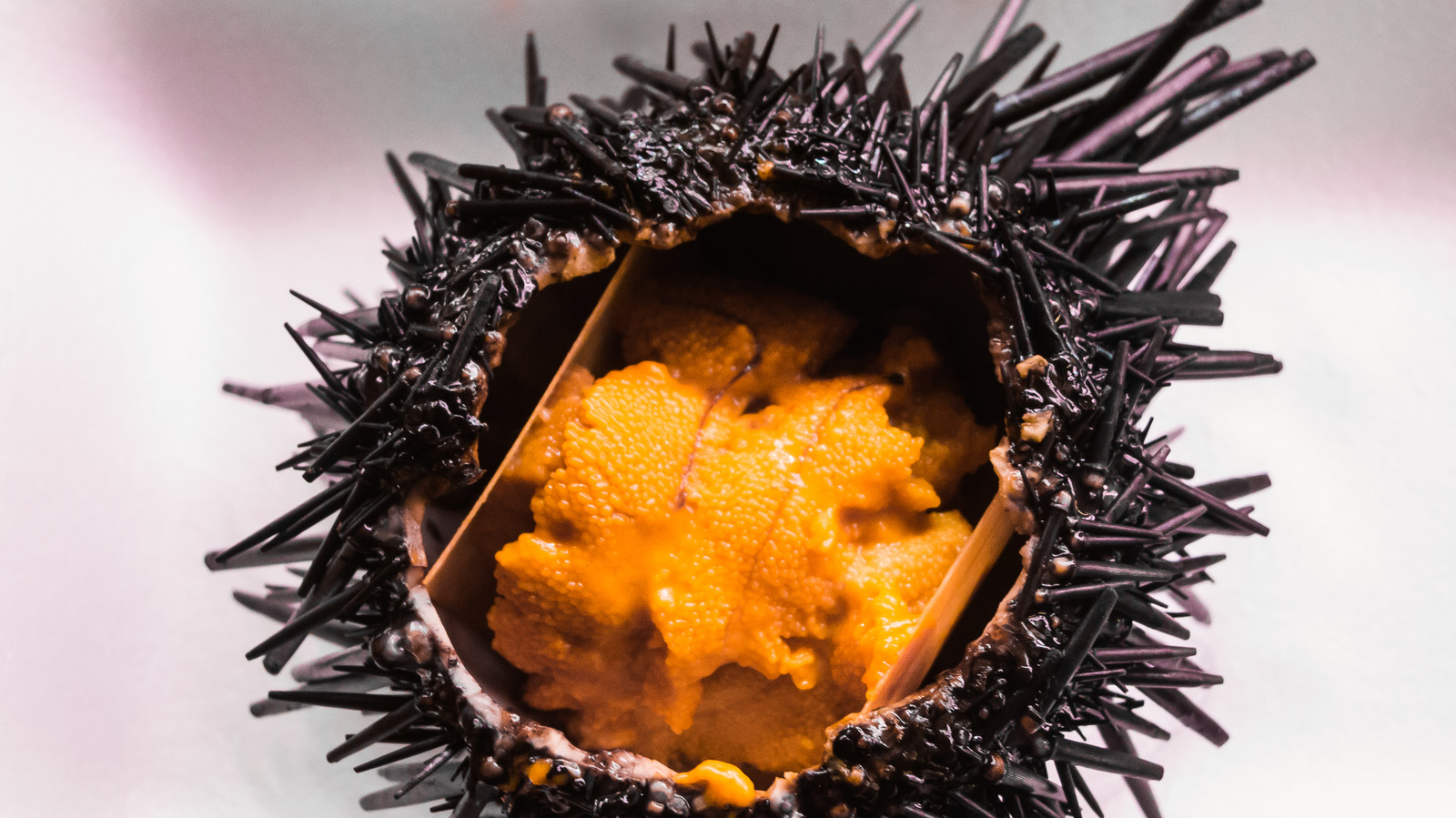
At high-end sushi counters, a single piece of uni nigiri can easily cost more than an entire entrée at an ordinary restaurant. Served perched atop seasoned rice wrapped in crisp nori, sea urchin looks like a tongue of golden-orange custard. To its devotees, the taste is unmatched—a sweet, buttery melt of ocean salinity and pure umami. Yet behind this tiny sliver of luxury lies one of the most perilous, labor-intensive, and time-critical supply chains in the entire culinary world.
While oceans may host millions of spiny echinoderms, turning them into pristine sushi-grade delicacies is an extraordinary feat of human effort, ecological balance, and culinary precision. Understanding why sea urchins cost so much requires looking beneath their prickly shells into the realities of deep-sea diving, intricate artisanal processing, and volatile global markets.
The Reality of Harvesting: Dangerous, Manual Labor
Unlike salmon or shrimp, sea urchins cannot be efficiently harvested with industrial nets, trawlers, or mechanical dredges. Dredging destroys both the delicate seabed ecosystems where urchins feed and fractures their brittle, calcium carbonate shells, spoiling the meat instantly.
Every commercial edible sea urchin must be gathered individually by hand. Licensed commercial divers descend into chilly, turbulent coastal waters—often ranging between 20 and 90 feet deep—off the rugged shores of Hokkaido, northern California, Maine, Santa Barbara, and Chile. These divers work amidst crashing surf, low visibility, unpredictable currents, and the constant hazard of shark encounters or decompression sickness. Armed only with small rakes, gloves, and mesh collection bags, divers painstakingly pry individual specimens from rocks.
Because coastal regulators strictly cap diving licenses, catch quotas, and harvesting seasons to protect wild stocks, supply remains limited. Divers risk life and limb for a finite daily haul, and their specialized labor represents the first major cost driver in the uni pipeline.
Biological Scarcity and the Kelp Dilemma
Of the roughly 950 known species of sea urchin across the globe, only around 18 are commercially harvested for human consumption. Popular varieties include the rich Bafun and subtle Murasaki urchins in Japan, and the large Red Sea Urchin harvested off the Pacific coast of North America.
What diners eat inside the urchin are not fish eggs or actual roe, but the five gonads (reproductive glands) nestled against the inner shell wall. These glands fluctuate dramatically depending on the urchin’s diet. Urchins feed almost exclusively on nutrient-dense kelp. When a healthy kelp forest thrives, the urchins flourish, packing their shells with thick, sweet, golden-yellow organs.
However, warming oceans and predator declines (such as the loss of sea otters and starfish) have created vast “urchin barrens”. In these zones, millions of starved purple urchins consume all plant life and enter a state of dormancy. An urchin can survive for years without food, but its internal gonads wither away completely. Divers cannot tell whether an urchin contains plump, marketable uni or an empty, watery void until it is cracked open. As a result, commercial yields can vary wildly from season to season, inflating prices during scarce harvests.
Artisanal, Painstaking Processing
Once landed on the dock, sea urchins must be cracked, extracted, cleaned, and sorted within hours. This stage is intensely manual; no machine has yet been invented that can replace human hands.
- Opening: Technicians use specialized shears to split the spiny test (shell) without puncturing the delicate gonads inside.
- Scooping: Workers scoop out the viscous organs using small, spoon-like blades.
- De-veining and Washing: The gonads are rinsed in chilled saltwater baths while tweezers are used to remove black visceral tissue and stray shell fragments. Even the slightest mishandling will bruise or tear the lobe, ruining its commercial value.
- Firming: Because raw uni degrades rapidly, processors traditionally steep it briefly in an alum solution (potassium aluminum sulfate) or refined brine to prevent the lobes from melting into a paste during transit. Premium ensui uni skips chemicals altogether and floats directly in saline water matching ocean salinity, maintaining pure flavor at an even higher market cost.
- Grading: Master packers arrange the lobes symmetrically onto small, absorbent wooden cedar boxes (geta). Uni is graded rigorously on color, texture, firmness, and freshness. Vibrant, uniform orange-yellow pieces with intact grain texture earn Grade A status and command top dollar, while dull or broken lobes are downgraded or redirected to sauces.
A skilled worker might process only a few dozen trays an hour, with wooden trays containing as little as 100 to 250 grams of finished product.
The Perishability Race and Airfreight Logistics
Uni possesses an extraordinarily short shelf life. From the moment an urchin leaves the ocean floor, a countdown begins: pristine raw uni must reach the customer within four to seven days.
Because the world’s most lucrative market for high-grade sea urchin is Japan—primarily the auctions at Tokyo’s Toyosu Market—urchins harvested on Tuesday morning in California or Maine are flown via temperature-controlled overnight air freight to arrive in Tokyo by Thursday morning. Specialized cold-chain logistics, dry ice packing, customs clearances, and rapid dispatch are required to keep the delicate seafood between 0°C and 4°C throughout the voyage.
Fuel costs, priority air cargo charges, and import tariffs compound at every handoff. Any delay or temperature fluctuation can spoil an entire shipment, meaning distributors price inherent logistical risk directly into wholesale rates.
The Luxury Paradigm and Global Demand
Finally, the economics of sea urchin are driven by surging consumer appetite. Historically consumed in coastal fishing villages and traditional Japanese dining rooms, uni has exploded in popularity across Western culinary capitals over the past two decades. French, Italian, and contemporary American kitchens now incorporate sea urchin into pastas, butters, and tasting menus.
Because the supply of wild, harvest-ready urchins is naturally capped by ecology and government fisheries management, rising demand leads to steep price appreciation. A single 250-gram tray of top-tier Hadate or Higashizawa brand uni from Hokkaido frequently hammers for several hundred to over a thousand dollars at auction, translating to $30 to $50 per mouthful on the diner’s bill.
Sea urchin is not expensive due to artificial brand prestige. Its price tag reflects the danger of the dive, the fragility of marine ecosystems, the artisanal patience required to clean every single piece, and the race against time to deliver fresh ocean flavor intact. When you savor that golden morsel, you are paying for an extraordinary chain of human craft spanning ocean depth to plate.
About The Author